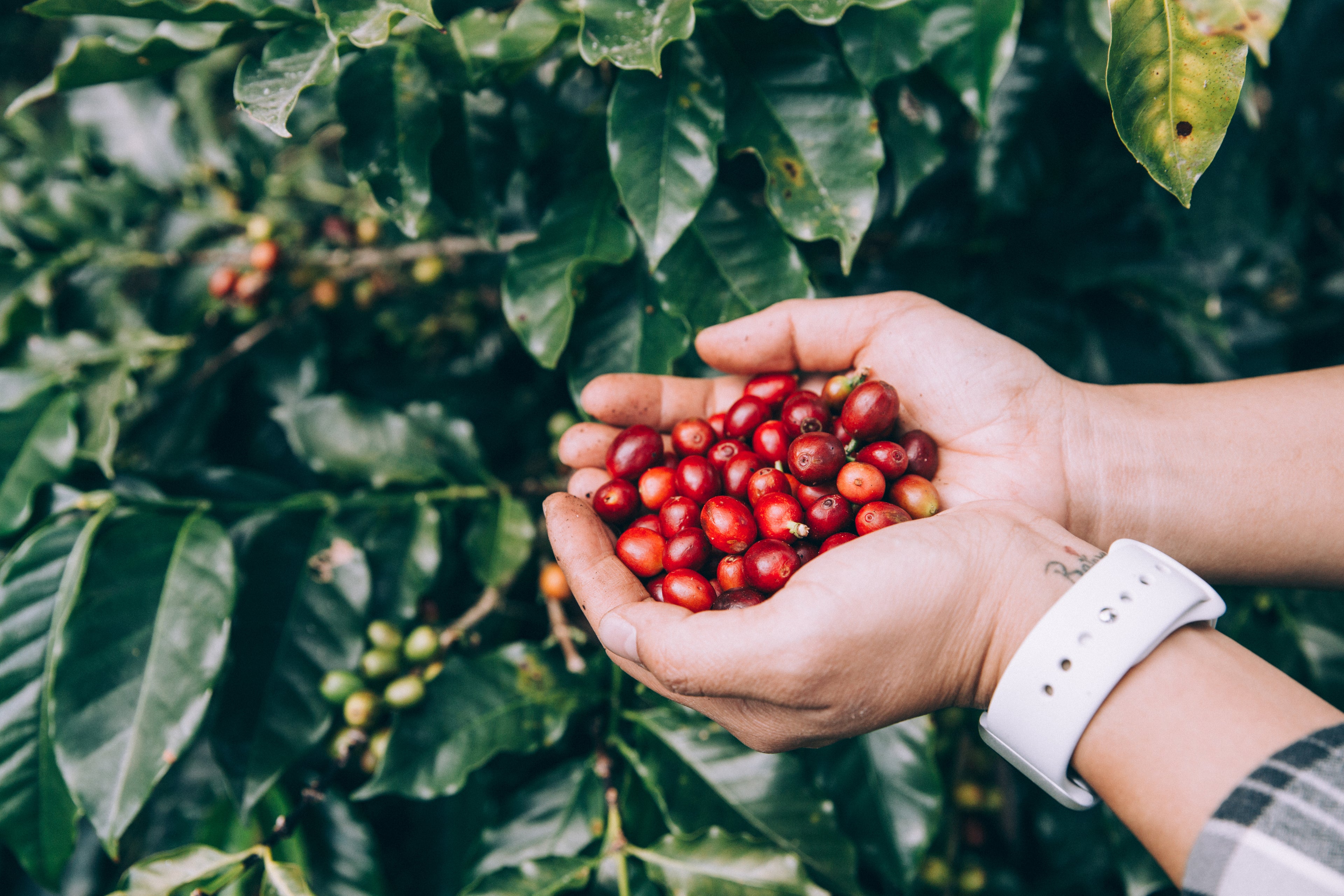

Innovations in Coffee Processing: Revolutionary Advances in the Coffee Industry
Coffee, a beverage cherished worldwide for its aroma, flavor, and energizing qualities, is undergoing a new era of transformation thanks to innovations in its processing. From controlled fermentation methods to revolutionary drying techniques, these new practices are redefining the standard of quality and sustainability in the coffee industry. In this comprehensive article, we'll delve into the most fascinating details of these innovations, explore their impact on flavor and sustainability, and delve deeper into exclusive interviews with leading experts in the field.
New Coffee Processing Techniques
The journey from coffee cherry to cup is a delicate dance of chemistry, time, and technique. The latest innovations in coffee processing are taking this dance to new heights, introducing methods that unlock flavors more complex and refined than ever before experienced.
- Controlled Fermentation: The Art of Coffee Mastery: At the heart of many of the new coffee processing techniques lies controlled fermentation. This method involves a careful balance of time, temperature, and microorganisms to extract the best from coffee beans. By controlling the fermentation process, producers can influence the flavor profile of coffee, creating cups with notes ranging from ripe fruits to rich cocoa and exotic spices.
- Anaerobic Processing: Innovation in Darkness: One of the most exciting techniques emerging is anaerobic processing. In this revolutionary method, coffee beans are fermented in the absence of oxygen, resulting in unique chemical changes that give rise to entirely new flavors and aromas. From notes of juicy berries to sweet caramelized flavors, anaerobic processing is taking coffee into unexplored sensory territories.
- Raised Bed Drying: Elevating Quality: For many specialty coffee producers, raised bed drying has become the gold standard. This technique involves drying coffee beans on raised beds, allowing for optimal airflow and uniform drying. The result is high-quality coffee with clean, bright flavors that capture the pure essence of its origin.
- Advanced Extraction Methods: Alongside innovations in pre-roasting processing, more advanced extraction methods are also being developed to highlight the unique characteristics of each coffee batch. From immersion brewing to precision filtering techniques, these methods are enabling baristas and enthusiasts to explore a wider range of flavors and aromas in their coffee cups.
Impact of These Innovations on Flavor and Sustainability
The innovations in coffee processing are having a significant impact on the flavor and sustainability of the coffee industry. These improvements are not only transforming the sensory experience of coffee but also promoting more sustainable and ethical agricultural practices throughout the supply chain.
- Improved Flavor and Quality: The new processing techniques, such as controlled fermentation and anaerobic processing, are allowing producers to highlight the unique characteristics of each coffee batch. By carefully controlling factors like fermentation duration and drying temperature, producers can develop more complex and refined flavor profiles in their coffees. From bright fruity notes to subtle floral flavors, these innovations are raising the quality of coffee and offering consumers more rewarding and exciting flavor experiences.
- Added Value for Producers: In addition to enhancing the flavor of coffee, these innovations are also creating added value for producers. By producing high-quality coffees with distinctive flavor profiles, producers can command higher prices for their products in the market. This not only increases producers' incomes but also provides them with greater financial stability, allowing them to reinvest in their farms and local communities.
- Promotion of Sustainable Agricultural Practices: The innovations in coffee processing are promoting more sustainable and environmentally friendly agricultural practices. For example, the use of controlled fermentation techniques can help reduce the amount of water used in coffee processing, which is especially important in regions where water is a scarce resource. Additionally, by improving the quality of coffee, the need for synthetic chemicals and fertilizers in cultivation is reduced, contributing to soil health and biodiversity on coffee farms.
- Advancement of Traceability and Transparency: With the growing demand for high-quality, single-origin coffees, the importance of traceability and transparency in the coffee supply chain has also increased. Innovations in coffee processing are making it easier to identify and track coffees from origin to cup, giving consumers greater confidence in the quality and authenticity of their coffees. By promoting traceability and transparency, these innovations can also help address issues such as child labor and labor exploitation on coffee farms, ensuring fair and ethical working conditions for coffee workers.
In summary, innovations in coffee processing are generating a positive impact on the flavor, quality, and sustainability of the coffee industry. From improving the flavor and quality of coffee to promoting sustainable and ethical agricultural practices, these innovations are transforming the coffee landscape and offering benefits for both producers and consumers.
Interviews with Industry Experts
To provide an even deeper perspective on these innovations, we've conducted interviews with some of the most influential leaders in the coffee industry. From visionary producers to artisan roasters and expert baristas, these individuals share their insights and experiences on how these new techniques are shaping the future of coffee and opening up new frontiers in terms of flavor and quality.
Local Producers' Perspective
In our conversations with industry experts, we've also had the opportunity to hear from local producers who are on the front lines of these innovations. Their experiences and insights offer a unique glimpse into how these new techniques are impacting coffee-growing communities at the grassroots level, driving economic and social development in coffee-producing regions worldwide.
In conclusion, innovations in coffee processing are propelling the industry into a new era of excellence and sustainability. From controlled fermentation to raised bed drying, these techniques are redefining what's possible in the world of coffee, offering consumers unique and exciting experiences never before imagined. As the industry continues to evolve, driven by a passion for quality and a commitment to sustainability, the future of coffee looks brighter than ever before.