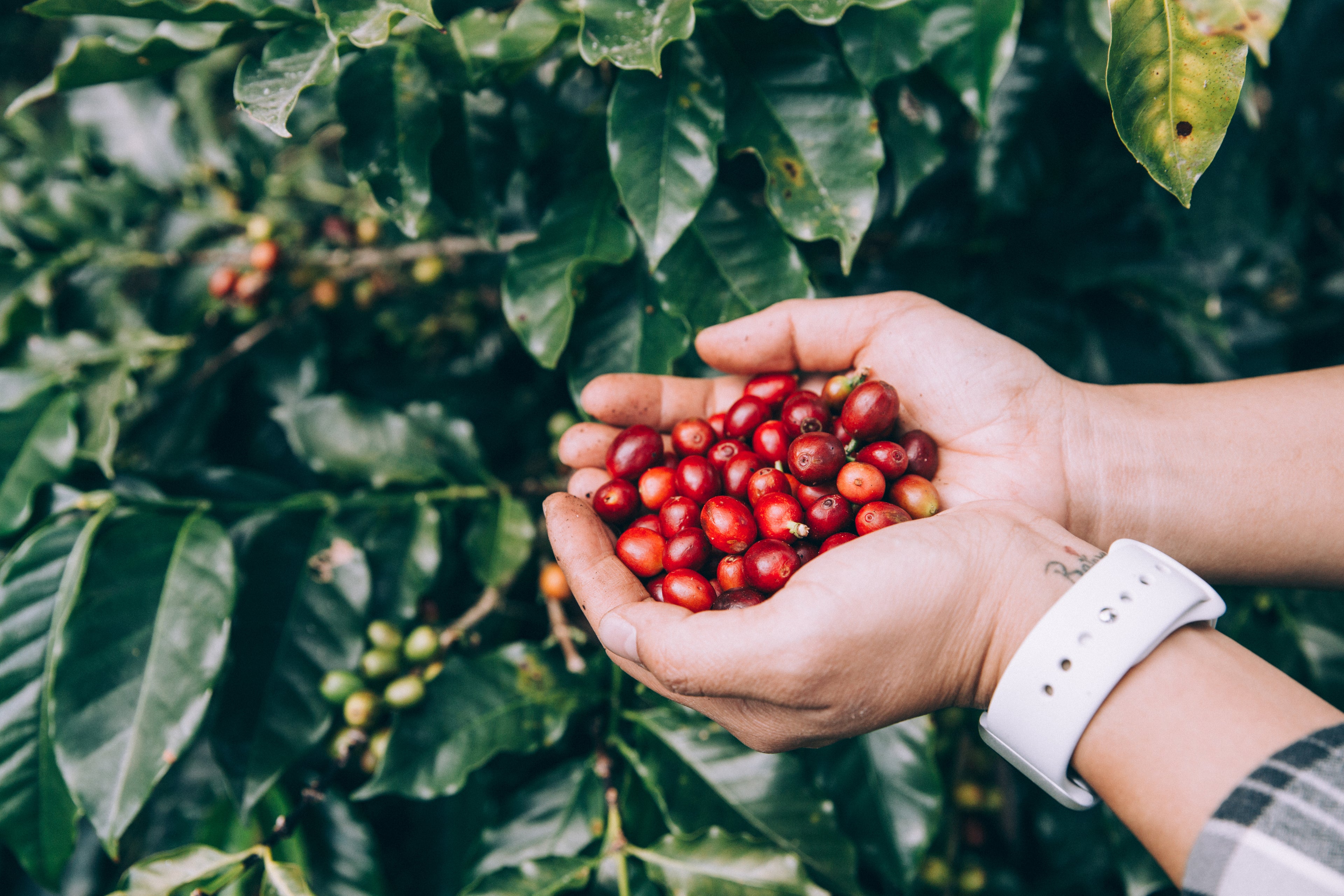

Exploring Peruvian Coffee: Flavors and Techniques
Peru, land of ancient civilizations and breathtaking landscapes, is also home to a rich coffee tradition. In this article, we will explore the history of coffee in Peru, its characteristic flavor profiles, some recommended Peruvian coffee varieties, and the process of decaffeination using supercritical CO2.
History of Coffee in Peru
The history of coffee in Peru dates back to the colonial era. Although coffee arrived in Peru in the 18th century, it wasn't until the 19th century that the first commercial plantations were established in the region. During this time, Peru experienced a boom in the coffee industry, with the creation of vast plantations and the introduction of new coffee varieties.
Coffee quickly became a significant economic driver for Peru, generating significant revenue through its export to Europe and other international markets. The mountainous regions of the north and center of the country, such as Cajamarca, Amazonas, and Junín, became centers of coffee production, attracting farmers and workers from across the country in search of economic opportunities.
As the Peruvian coffee industry grew, challenges also arose. Fluctuations in international coffee prices, political and social conflicts, and a lack of adequate infrastructure were some of the obstacles faced by coffee producers in their efforts to establish and maintain their plantations.
However, despite these challenges, Peruvian coffee continued to thrive, thanks in part to the dedication and perseverance of local farmers. In the 20th century, with the resurgence of interest in specialty coffee, Peru became a significant player in the global coffee industry, known for the quality and diversity of its coffees.
Today, coffee remains an integral part of Peruvian culture and economy. The country's coffee industry has modernized and diversified, with a growing focus on producing high-quality and sustainable coffee. Peruvian producers continue to innovate and experiment with new cultivation and processing techniques, ensuring that Peruvian coffee remains valued and appreciated worldwide.
Characteristic Flavor Profiles
Peruvian coffees are characterized by their complex and unique flavor profiles. Due to the diversity of microclimates and altitudes in the country, Peru produces a wide range of coffees with flavors ranging from fruity and floral to earthy and chocolatey notes. Coffees from higher regions like Cajamarca and Amazonas tend to be more acidic and fruity, while coffees from lower regions like Junín and Cusco often have softer and sweeter flavor profiles.
Recommended Peruvian Coffee Varieties
- Café La Coipa: Hailing from the Cajamarca region, Café La Coipa is known for its sweet and fruity flavor, with notes of citrus and chocolate. This coffee is grown at altitudes between 1,200 and 1,800 meters above sea level, giving it a bright acidity and a smooth, silky body.
- Café Pangoa: Originally from the Junín region, Café Pangoa is an organic and fair trade coffee with complex and balanced flavors. With notes of tropical fruits and caramel, this coffee offers a unique sensory experience that reflects the care and passion of Peruvian farmers for their product.
- Café Machu Picchu: Named after the famous Inca citadel, Café Machu Picchu is a coffee grown on the slopes of the Andes, near the legendary archaeological site. With its mild and sweet flavor, with notes of nuts and vanilla, this coffee captures the essence of the majestic heights and the rich history of the region.
Decaffeinated Coffee and Supercritical CO2 Process
The process of decaffeination using supercritical CO2 is a modern and efficient method for removing caffeine from coffee. In this process, the coffee beans are exposed to carbon dioxide in its supercritical state, a state between liquid and gas, at high pressure and temperature. The CO2 acts as a solvent, selectively dissolving caffeine in the coffee beans. Once the caffeine has been removed, the CO2 is released, leaving the oils and aromatic compounds of the coffee intact.
This decaffeination method is considered one of the most effective, as it does not use chemical solvents and better preserves the natural flavors of the coffee. Decaffeinated coffees processed with supercritical CO2 typically have a fuller and less altered flavor compared to other decaffeination methods.
Conclusion
Exploring Peruvian coffees is a journey into a rich tradition that combines ancestral craftsmanship with modern innovation. From the high mountains of the Andes to the tropical rainforests of the Amazon, each cup of Peruvian coffee tells a unique story of passion and dedication. Whether you prefer fruity and vibrant flavors or softer and more delicate profiles, Peruvian coffees offer an unparalleled experience that will delight your senses and transport you to the majestic lands of this beautiful South American country.
Enjoy your journey through the world of Peruvian coffee!