
Why coffee can taste like chocolate, fruit or flowers without anything added
“Does this coffee contain chocolate?”
“Has it been flavoured with fruit?”
“Why does it say caramel if it is just coffee?”
These questions are more common than they may seem. When someone starts discovering specialty coffee, tasting notes such as dark chocolate, red berries, honey, flowers, citrus or nuts can be surprising.
The answer is simple: no, nothing has been added to the coffee.
Those notes are not ingredients. They are sensory memories.
Tasting notes are not artificial flavours
When a coffee description mentions “chocolate”, “orange”, “hazelnut” or “ripe fruit”, it does not mean those flavours were added to the bean.
It means that, when smelling or tasting the coffee, it may remind you of those foods or sensations.
Just as wine can remind you of red fruit, wood, vanilla or spices without containing those ingredients, coffee can also show a wide range of natural nuances.
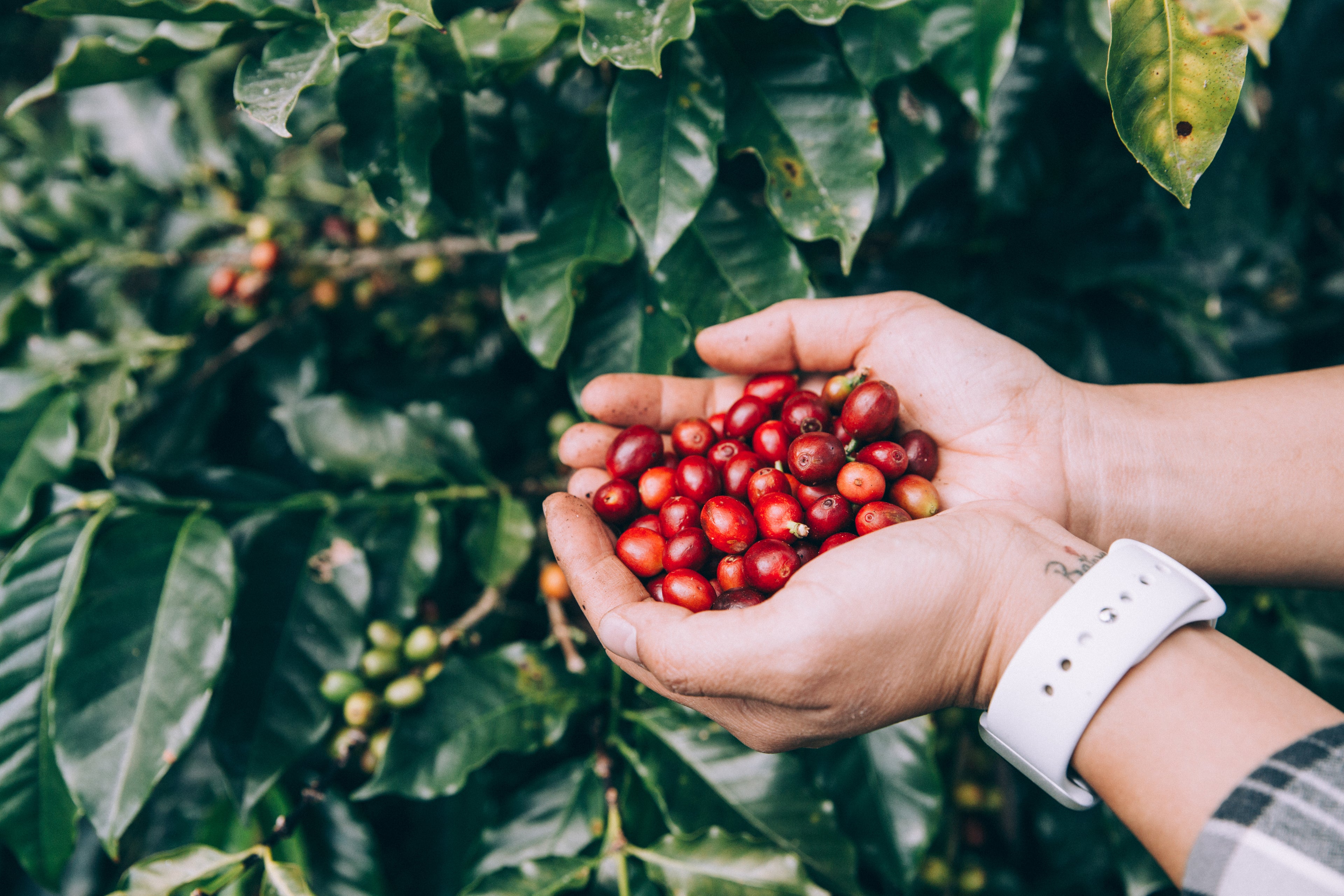
Coffee is a seed, but it comes from a fruit. And as an agricultural product, it can express many differences depending on where and how it was grown.
Where those nuances come from
The final flavour of a coffee depends on many factors. Some of the most important are:
- country and region
- altitude
- climate
- soil
- variety
- process
- drying
- roasting
- brewing
That is why two coffees can taste completely different, even if both are 100% Arabica.
One may remind you of cocoa and nuts. Another may show floral and citrus notes. Another may be sweet, creamy and caramel-like.
It is not magic. It is origin, processing and careful work.
How to understand a tasting note
A tasting note should not be understood as an exact copy of a flavour.
If a coffee says “strawberry”, it does not mean it will taste like strawberry juice. It means it may have an acidity, sweetness or aroma that slightly reminds you of that fruit.
If it says “dark chocolate”, it may refer to a deeper, slightly bitter and dry sensation.
If it says “honey”, it may suggest soft sweetness, roundness and a pleasant texture.
Tasting notes are a guide, not a mathematical promise.
Common notes and what they usually suggest
Here are a few simple examples:
Chocolate / cocoa
Usually suggests a deeper, sweeter and comfortable cup with a pleasant bitterness.
Nuts
Can bring a rounded, toasted and stable sensation. Very common in coffees that work well for espresso.
Citrus
Often linked to lively acidity, freshness and clarity.
Red fruit
Can appear in fruitier, juicier and more expressive coffees.
Caramel / panela / honey
Usually points to sweetness, body and a pleasant mouthfeel.
Flowers
Often found in more delicate, aromatic and elegant coffees.
Why you may not taste exactly the same thing
This is important too.
Not everyone perceives tasting notes in the same way. Experience, smell memory, brewing method and even water can change perception a lot.
Expectation also matters. If you look for a “peach” note as if it were peach candy, you may be disappointed. But if you understand it as a soft, sweet and fruity sensation, you may start to find it.
Tasting coffee is not about inventing flavours. It is about paying attention.
A small exercise at home
Next time you prepare coffee, try this:
First, smell the ground coffee before brewing.
Then smell the freshly brewed cup.
Take a small sip and let the coffee cool slightly.
Finally, ask yourself:
- does it remind me of something sweet?
- does it feel more fruity or more chocolatey?
- is it lighter or deeper?
- does the flavour stay after drinking?
- does it feel clean, intense, soft or bright?
You do not need to identify the perfect note. The important thing is to start building sensory memory.
Tasting notes help you choose better
Understanding tasting notes helps you buy with more confidence.
If you like classic and rounded coffees, you will probably enjoy profiles with chocolate, cocoa, nuts or caramel.
If you are looking for something fresher and more expressive, you can try coffees with citrus, floral or fruity notes.
If you want a sweet and balanced cup, notes of honey, panela or ripe fruit can be a good sign.
Little by little, product descriptions stop being just pretty words and become a real tool for choosing better.
Coffee has more language than it seems
For a long time, many people understood coffee only as something strong, bitter or mixed with milk. Specialty coffee opens another way of looking at the cup.
It is not about making something simple complicated. It is about discovering that something everyday can have much more depth.
At 98% Monkey, we believe every coffee should tell something: where it comes from, how it was processed and what it can express in the cup.
The next time you read “chocolate”, “ripe fruit” or “flowers” in a coffee description, remember: they are not added ingredients. They are clues to better understand what is in front of you.